A self-paced course with Pema Khandro, PhD
You have been sitting for a while now. Maybe it started with an app, or a stress reduction class, or a friend who would not stop talking about it. The practice has done something real. But at some point a question surfaces: where does this actually come from, and what did the tradition think it was doing?
Meditation instruction is everywhere. Its history, and the philosophy of mind and world that produced it, are much harder to find. That gap leaves many practitioners with a technique but no framework, which is precisely what the Buddhist tradition never intended. In Buddhism, contemplation, philosophy, and ethics were always taught together, because study is what keeps practice honest and takes it to its furthest depths.
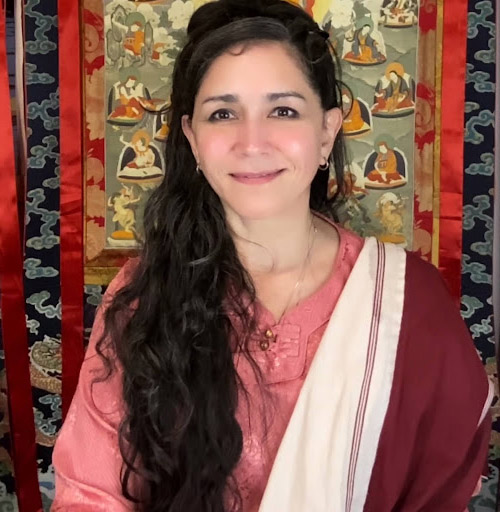
This course gives meditators the missing half. Buddhist Studies scholar, professor, and lineage holder Pema Khandro, PhD, presents a history of what meditation is, and lays out the core architecture of Buddhist thought on meditation for people who have loved mindfulness and long for more. It addresses the history of the idea of meditation, what the Buddha taught about meditation, what the stages of meditation reveal about mind and its world, and especially why any of it should matter on and off the cushion.
Course Structure
Seven modules move from the origins of Buddhist meditation through its classical development. We then follow what became of those teachings as they travelled west, its modern transformation, what their loss is costing us now, and finally back into the question that matters most: how practice shapes a life.