June 13-14
A Two-Day Online Retreat
with Pema Khandro, Aruna Rigdzin and Satya Shiva
A two-day online retreat of restorative yoga, calm abiding meditation, and extended deep relaxation practices. Six hours total, three hours each morning, designed for nervous systems carrying too much. Inspired by the Tibetan contemplative tradition’s understanding of natural ease — the quality of awareness that emerges not through effort, but through letting effort go. Open to all. No prior background required.
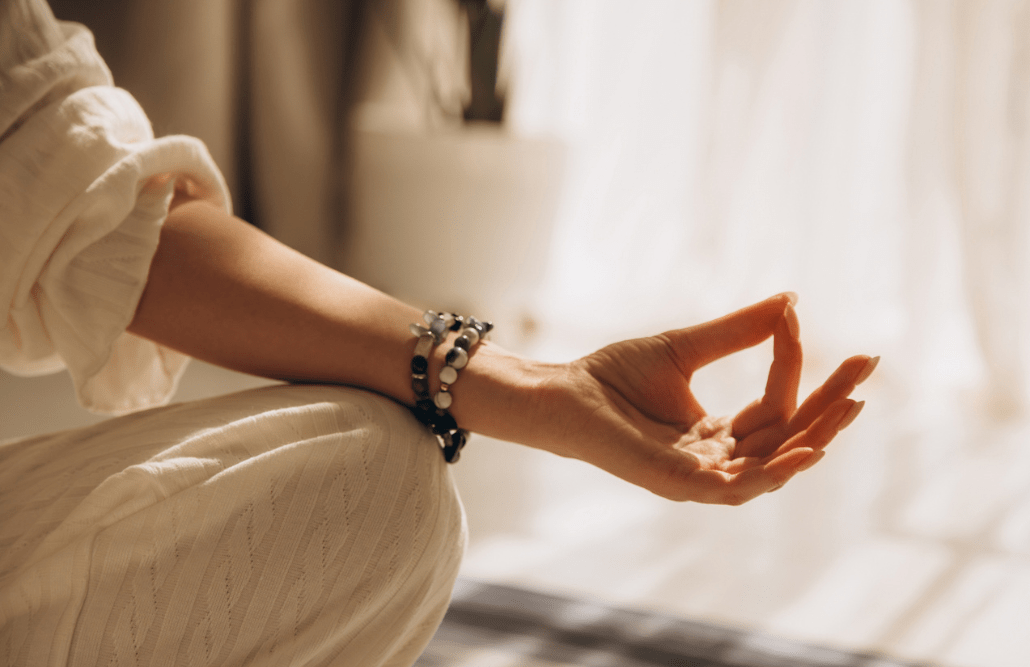
A Different Kind of Retreat
Most contemplative work asks something of us — attention, effort, study, practice.
This retreat asks the opposite.
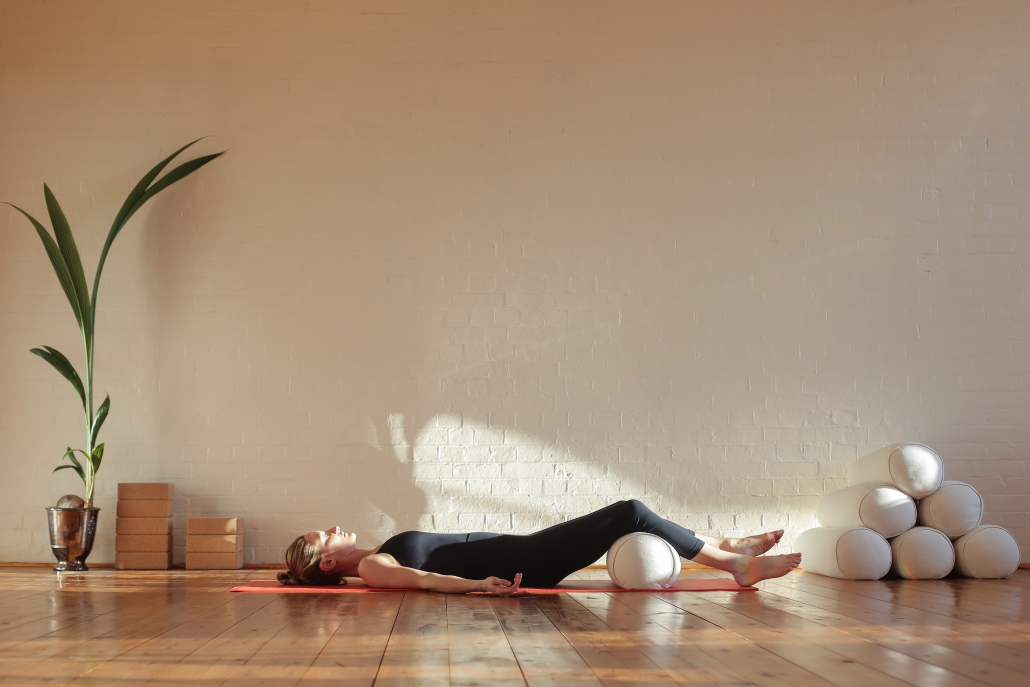
For two mornings, we set down the doing. We rest the body in restorative postures held long enough to allow the nervous system to soften. We practice calm abiding meditation, gently, with full attention to ease. We move through extended deep-relaxation practices and a long shavasana — the corpse pose that contemplative traditions across centuries have understood as one of the deepest forms of practice, not the absence of it.
This is not a retreat that aims to take you anywhere. It does not promise transformation, or peak experience. It offers, instead, what is often more difficult to give ourselves: permission to pause.Time to settle. The practices that allow rest to actually become restful.
This retreat is just practice, no study, to allow the mind and body to quiet down and harness somatic momentum for deep meditation.
For practitioners who have been working hard at meditation and finding it more strained than nourishing — for caregivers, professionals, parents, and seekers carrying too much — for anyone who needs rest as much as they need teaching — this is the retreat for you.
The Practice
Saturday Morning | Releasing
[10:00am–1:00pm PT]
We begin gently. Restorative yoga postures held for extended periods, supported and unhurried, allowing the body to release patterns of holding the nervous system has been carrying. A first guided shavasana, longer than most are accustomed to, with gentle verbal guidance. Brief instruction on calm abiding meditation as a practice of ease rather than effort.
A Suggested Silence
Between Saturday afternoon and Sunday morning, we suggest holding silence — from the close of our Saturday session at 1:00pm through the opening of our Sunday session at 10:00am. This is an invitation, not a requirement. The retreat works without it. But for those who can arrange the conditions of their life to allow it — stepping back from conversation, screens, news, and the small constant inputs that keep the nervous system in a state of low-grade response — the silence allows what we cultivate in the morning sessions to deepen rather than dissipate. You don’t need to be perfect about it. Speaking with family who live with you, or attending to genuine obligations, doesn’t break the practice. What the silence offers is twenty-one hours of reduced demand on the system that has been carrying too much, held within a contemplative container. For many participants, this becomes the most restorative part of the retreat.
Sunday Morning | Resting
[10:00am–1:00pm PT]
A deeper movement into the practices, with the body and mind already softened by the previous day. Longer restorative holds, sustained calm abiding practice with extended periods of silence, advanced relaxation techniques drawn from the Buddhist contemplative tradition, and a closing extended shavasana, corpse poste — the longest of the retreat — held with attention to the dissolution of effort that gives the practice its name. We close with brief discussion and integration.
Optional Afternoon Practice | Sitting in Ease
[2:00pm–4:00pm PT]
For those who wish to deepen the continuity of practice, the afternoons remain open as a quiet container for optional calm abiding (zhiné) meditation. These sessions are held by graduating Meditation Teacher Training practitioners. Participants are invited to join for all or part of the session. You may sit, lie down, or continue restorative postures as needed. This is not an additional teaching block. It is a supported extension of the morning’s work — a space to remain with the momentum of ease, rather than re-entering the pace of ordinary activity.
Attendance is entirely optional. The retreat is complete with the morning sessions alone.
But for those who can remain, the afternoon offers a rare condition: time, simplicity, and shared stillness without demand.
A Note on Natural Ease
The retreat takes its inspiration from the Tibetan contemplative tradition’s understanding of natural ease — the quality of awareness that emerges not through effort, but through letting effort go.
In the Dzogchen tradition this is sometimes called lhug pa, the relaxed and unforced mind that rests in its own nature. In the broader Buddhist tradition, the cultivation of passaddhi — tranquility, the calming of body and mind — is one of the seven factors of awakening. Across many traditions, the wisdom is similar: there is a kind of rest that is not laziness or escape, but that is itself the ground from which insight arises.
Most of us, most of the time, do not have access to this kind of rest. Our practice becomes another thing we are doing. Our attempts at relaxation become subtly effortful. The two days of this retreat are designed to allow something else — the actual experience of natural ease, sustained long enough that the body and mind can find it without striving toward it.
Who This Retreat is For
This retreat is open to everyone. No prior background in yoga, meditation, or Buddhist practice is required. The instruction is given in a way that supports both first-time participants and longtime practitioners.
It will be of particular interest to caregivers, healthcare workers, therapists, and chaplains carrying the weight of others’ pain; to parents, teachers, and professionals in seasons of sustained demand; to longtime meditators whose practice has become strained or effortful; to people recovering from grief, illness, or extended stress; and to anyone whose nervous system has been asked to do too much for too long.
What the retreat asks of you is simple: a quiet space to practice in, comfortable clothing, and any cushions, bolsters, blankets, or pillows you can gather to support restorative postures. Detailed setup guidance is sent in advance.
About the Teachers
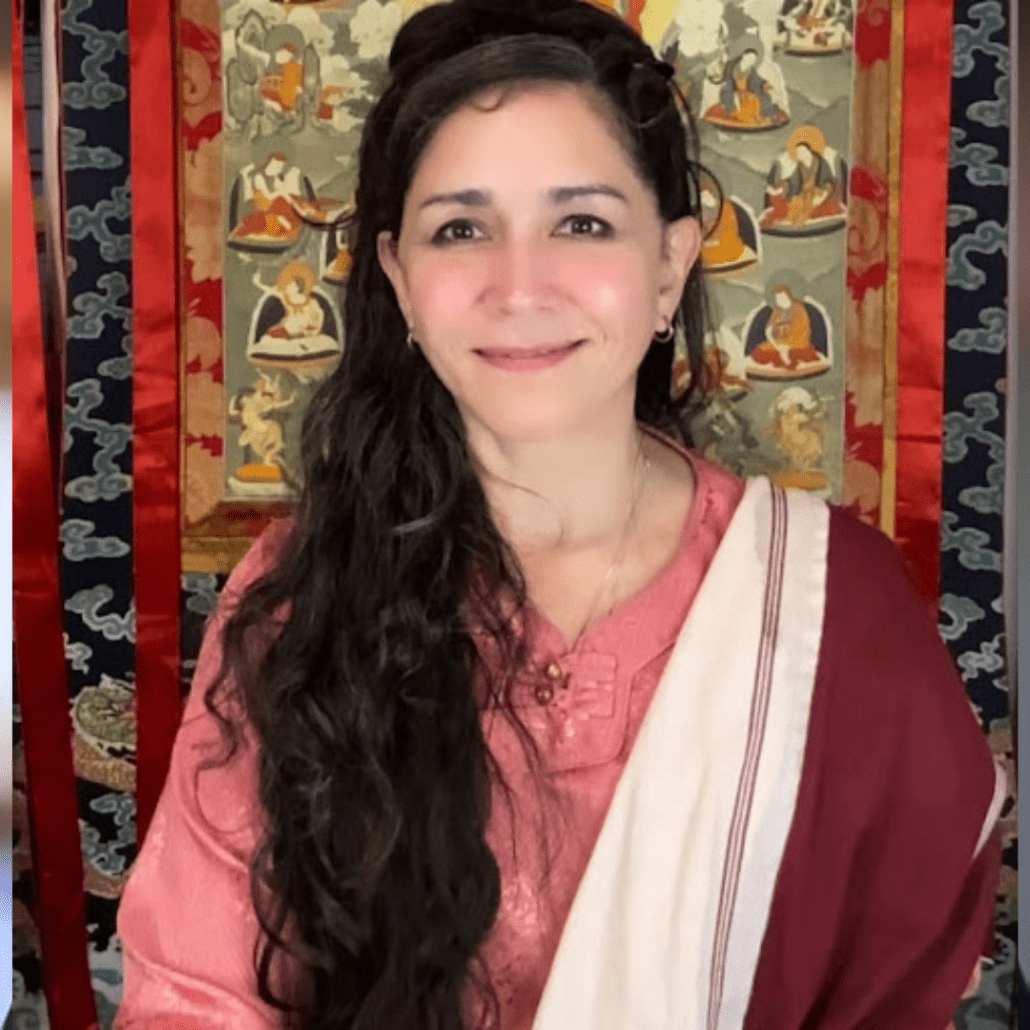
Pema Khandro is a Nyingma lineage holder of the Buddhist tradition of Tibet, a female tulku, and a scholar-practitioner. She holds a PhD in Religious Studies from the University of Virginia. She is the founder of the Buddhist Studies Institute and has been teaching meditation, restorative practice, and the contemplative traditions of Tibet for more than three decades.
Her teaching of restorative practice draws on both her Tibetan Buddhist training and her broader engagement with the contemplative wisdom of slow, supported, deeply embodied practice — wisdom found across many traditions but particularly developed in the understanding of natural ease from Great Perfection (rdzogs chen).

Aruna Rigdzin Ross was ordained in the Nyingma lineage by Pema Khandro Rinpoche in 2007 and has since dedicated her life to the study, practice, and transmission of Buddhist wisdom. She serves as a Director of Ngakpa International, is the Chief Financial Officer of the Buddhist Studies Institute, and also leads as Director of the Yogic Medicine Institute, where she integrates ancient wisdom traditions with modern approaches to healing and well-being.
A NAMA-certified Ayurvedic Practitioner with more than two decades of experience as an advanced yoga and meditation instructor, Aruna is deeply respected for the clarity, compassion, and presence she brings to her work. Her teachings and client care reflect a passionate commitment to holistic healing, sustainable living, and the empowerment of individuals to cultivate health, balance, and joy in their lives.
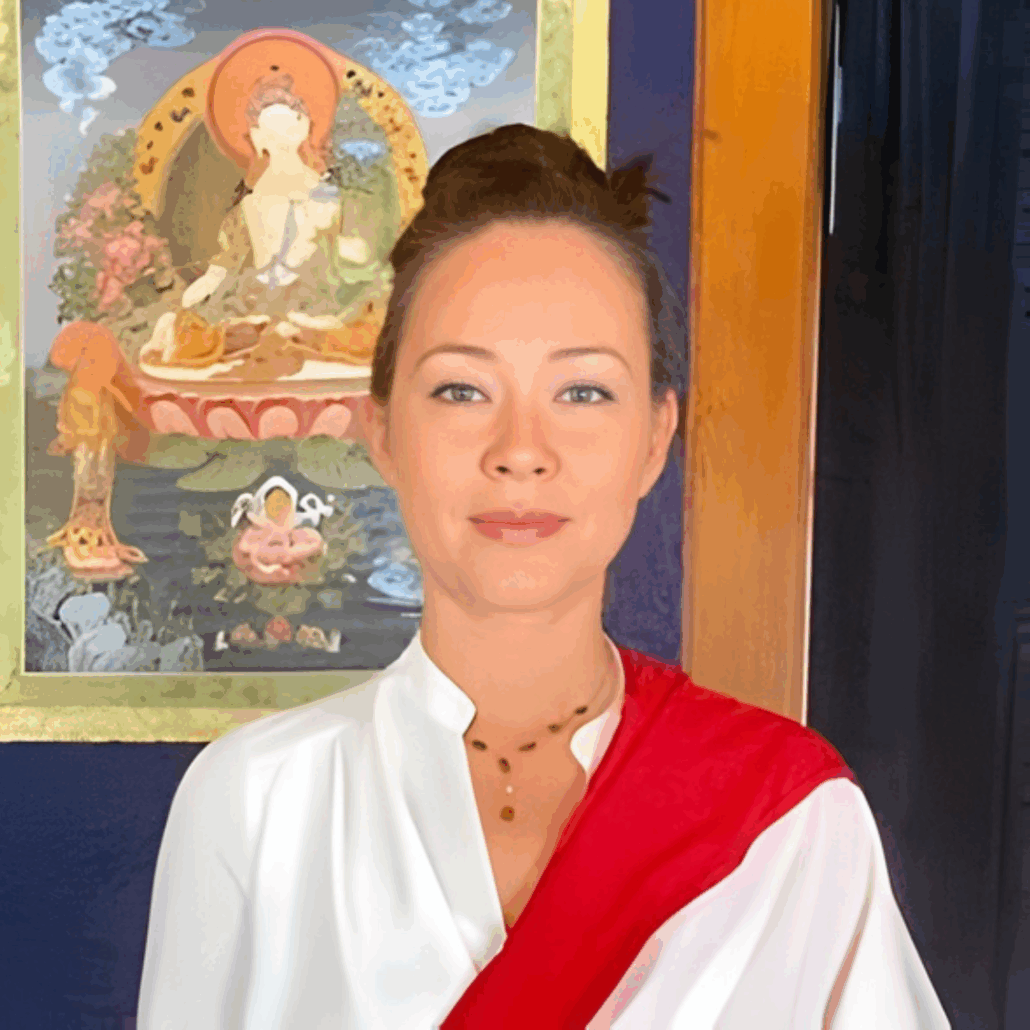
Satya Shiva has been a devoted student of Pema Khandro Rinpoche and the Vajrayana since 2001 and has served as Faculty, Programming Director, and board member of the Buddhist Studies Institute since 2010. She is also the Clinic Director of the Yogic Medicine Institute, where she has guided integrative healing programs and worldwide retreats since 2004.
A Doctor of Acupuncture and Oriental Medicine, as well as a NAMA-certified Ayurvedic Practitioner and Panchakarma Specialist, Satya is the founder of Radiance Healthcare and Clinical Director at Dakini Mountain Retreat. Her leadership reflects a lifelong dedication to Eastern medicine, integrative healing, contemplative practice, and compassionate care, guiding people toward radiant health, clarity, and vitality.
Practical Details
Format: Live online via Zoom. Recordings provided.
Dates: Saturday–Sunday, June 13th and 14th, 2026
Schedule:
- Saturday: 10:00am–1:00pm PT
- Sunday: 10:00am–1:00pm PT
- Optional both days: 2:00-4:00pm PT
Total contact hours: 6 hours of live practice and teaching
Tuition: $215 standard · $145 reduced · $108 hardship
What to prepare: A quiet space, comfortable clothing, a yoga mat or rug, and any cushions, bolsters, blankets, or pillows you have available. Detailed setup guidance will be sent before the retreat.